December Retail Sales Came in Flat — Here's What That Means for the Economy
The Census Bureau's delayed December retail sales report missed expectations, raising questions about consumer strength heading into 2026. Here's what it means for your wallet and the broader economy.

John Mitchell

The holiday shopping season just got a reality check.
The U.S. Census Bureau released its long-delayed December retail sales report this morning, and the numbers missed the mark. Retail sales came in flat at 0.0% month-over-month, well below the +0.4% economists had expected. Total retail and food services sales hit $735 billion — virtually unchanged from November.
This report was originally scheduled for mid-January but got pushed back due to the government shutdown. Now that we finally have the data, it's raising fresh questions about how strong American consumers really are heading into 2026.
The Numbers Tell a Mixed Story
Here's what the December retail sales data actually showed:
- Headline retail sales: 0.0% (vs. +0.4% expected, +0.6% prior month)
- Ex-autos: 0.0% (vs. +0.3% expected)
- Control group: -0.1% (vs. +0.4% expected) — this is the measure that feeds directly into GDP calculations
- Year-over-year: +2.4% (down from +3.3% the prior month)
- Full year 2025 vs. 2024: +3.7%
That control group number is particularly concerning. A negative reading when economists expected nearly half a percent of growth suggests consumers pulled back more than anticipated during the crucial holiday period.
Winners and Losers by Category
Not every sector struggled. Here's how different retail categories performed in December:
Categories that gained:
- Building materials & garden equipment: +1.20%
- Clothing & accessories: +0.49%
- Sporting goods, hobby, music: +0.36%
- Gasoline stations: +0.29%
- Health & personal care: +0.17%
Categories that slipped:
- Miscellaneous retailers: -0.86%
- Electronics & appliances: -0.41%
- Motor vehicles & parts: -0.18%
- Food services & drinking places: -0.14%
- Food & beverage stores: -0.13%
- General merchandise stores: -0.11%
The weakness in restaurants and food services is notable — Americans typically spend more on dining out when they're feeling confident about their finances. A pullback there can signal caution.
What This Means for the Fed
This soft retail report lands in a busy week for economic data. The January jobs report comes out Wednesday, followed by the CPI inflation reading on Friday. The Federal Reserve is watching all of it closely.
Here's the thing: weak consumer spending could actually give the Fed more room to cut interest rates. If Americans are pulling back, inflation pressures ease. The current fed funds rate sits at 3.50%-3.75% after three cuts in 2025, and markets are still betting on more reductions this year.
But it's not that simple. The Fed has been crystal clear that they want to see more progress on inflation before cutting further. Friday's CPI report — expected to show inflation around 2.5% — will matter more than today's retail data for the rate path.
What This Means for Your Wallet
Flat retail sales have ripple effects that can touch your finances:
-
For job seekers: Retail is one of the largest employment sectors. Weak sales can lead to slower hiring or reduced hours, especially in discretionary categories.
-
For investors: Retail stocks got a mixed reaction today. Companies with strong holiday quarters (like online retailers showing +5.3% year-over-year growth) may outperform those dependent on in-store traffic.
-
For borrowers: If weak spending data convinces the Fed to cut rates faster, you could see lower mortgage and credit card rates later this year. The 10-year Treasury yield already dropped to 4.17% today, near a four-week low.
-
For savers: Lower rates mean high-yield savings accounts will start offering less. If you've been enjoying 5% APY, don't expect that to last forever.
The Bigger Picture
One month of flat retail sales isn't a recession signal. The full year 2025 still showed 3.7% growth over 2024, and online shopping (nonstore retailers) grew 5.3% year-over-year.
But there are legitimate questions about how much steam the American consumer has left. Tariffs have raised prices on imported goods. Inflation, while cooling, has eaten into purchasing power for years. Credit card debt sits near record highs.
Wednesday's jobs report will tell us whether the labor market is still strong enough to support spending. Friday's inflation data will tell us whether prices are finally cooperating. Today's retail report is just one piece of a complicated puzzle.
The Bottom Line
December retail sales disappointed, coming in flat when economists expected growth. The more important control group measure actually contracted. While one weak month doesn't define a trend, it's a reminder that the "resilient consumer" narrative may be showing cracks. Keep an eye on Wednesday's jobs data and Friday's CPI — together, they'll paint a clearer picture of where the economy is headed in 2026.
Sources: U.S. Census Bureau, Investopedia, InvestingLive. Data released February 10, 2026.
Continue Reading
More from Budgeting
 Budgeting
When Will You Get Your 2026 Tax Refund? IRS Delays Could Slow Things Down
Tax season is here, but IRS staffing cuts and the government shutdown could delay your refund. Here's when to realistically expect your money and how to check your status.
 John Mitchell
 Budgeting
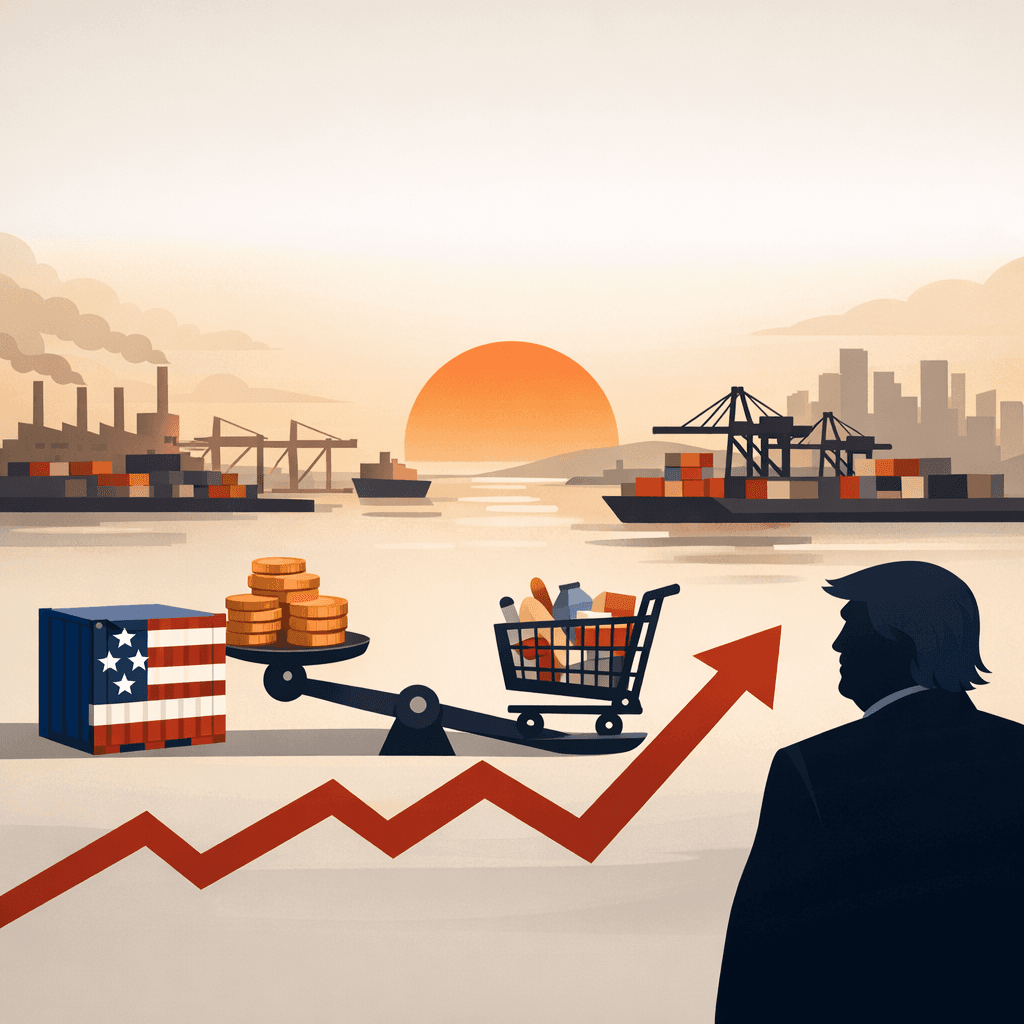
Trump's Tariffs at One Year: What They're Really Costing You
Trump's tariffs hit their one-year anniversary. Studies show American consumers pay 96% of the cost — not foreign exporters. Here's how much they're adding to your bills and what the Supreme Court might do about it.
John Mitchell Budgeting
Consumer Confidence Is Rising — But Americans Still Feel Broke. Here's Why.
The University of Michigan Consumer Sentiment Index hit its highest level since August 2025. But dig into the data and Americans are still worried about high prices and job security. Here's the disconnect.
John Mitchell Budgeting
Jobless Claims Jump to 231,000 — Should You Be Worried?
Weekly unemployment claims jumped 22,000 to 231,000 — the biggest increase in two months. But economists say the labor market is still stable. Here's what's really happening.
John MitchellYou May Also Find Interesting
 Investing
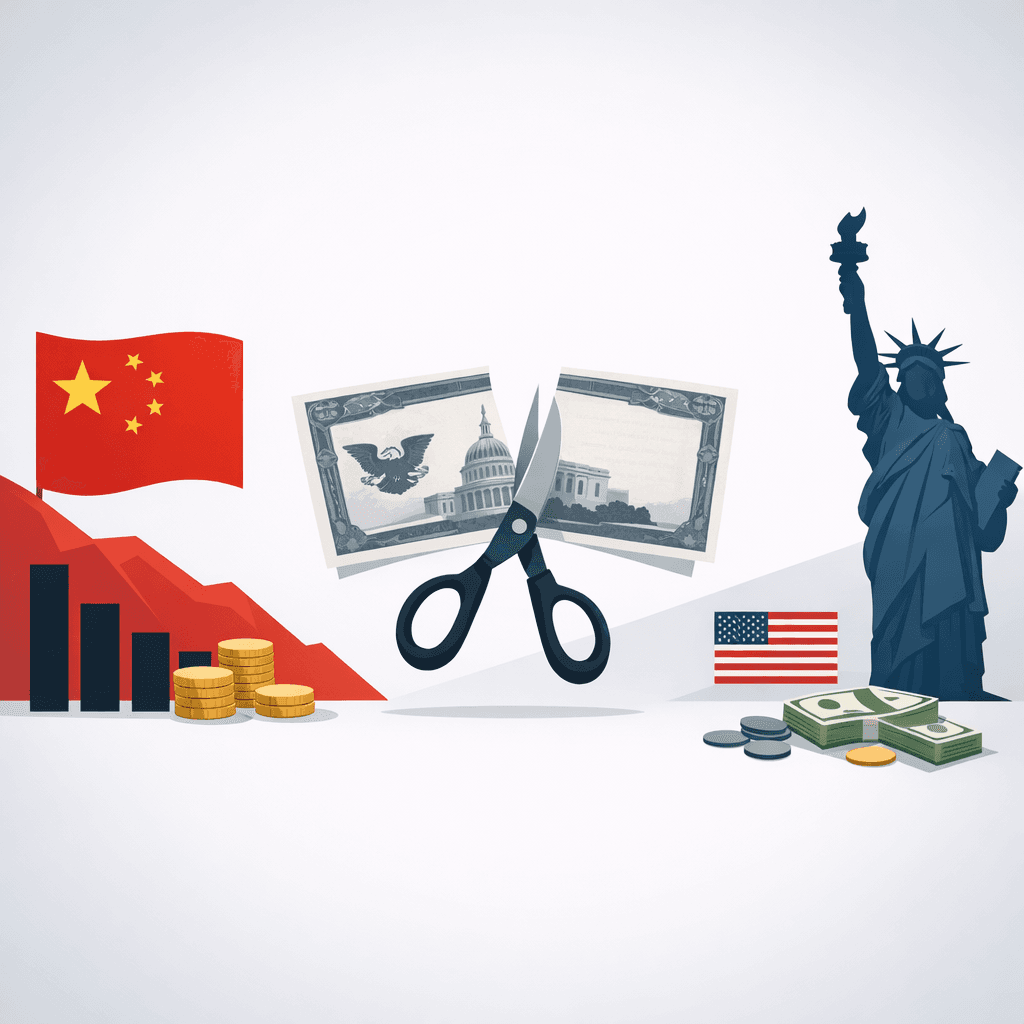
China Tells Banks to Cut US Treasury Holdings: What It Means for American Investors
Chinese regulators are urging banks to reduce their US Treasury exposure. Here's what this trend means for interest rates, the dollar, and your portfolio.
John Mitchell Investing
How to Start Investing With $100 (A Beginner's Guide for 2026)
You don't need thousands to start investing. With just $100 and a smartphone, you can begin building wealth today. Here's exactly how to do it step by step.
John Mitchell Retirement
401(k) Basics: Everything You Need to Know in 2026
Your employer offers a 401(k). Should you use it? How much should you contribute? What's a match? Here's the complete beginner's guide to the retirement account that could make you a millionaire.
John Mitchell Investing
Dow Hits 50,000 for the First Time — What It Means for Your Portfolio
The Dow Jones Industrial Average closed above 50,000 for the first time in history on Friday. Here's what drove the rally and what this milestone actually means for everyday investors.
John Mitchell